
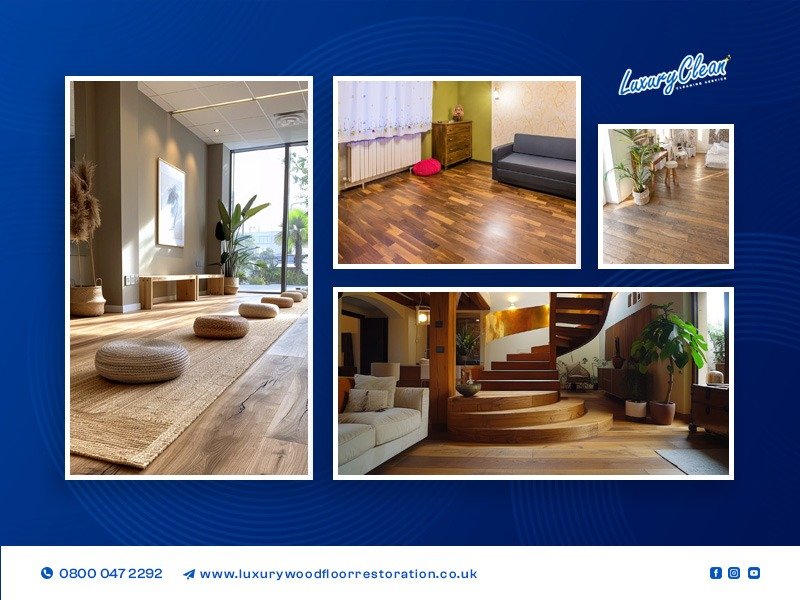
Hardwood refinishing in London often starts with a small act of bravery: you peel back one corner of carpet “just to see.” Underneath, you might find honey-toned boards, old cut nails, and a few mystery stains that tell a story.
The tempting question you may ask is: can these original boards be restored without sanding away the charm? In many cases, yes, restoration keeps period detail, supports resale price, and usually costs less than replacing the entire floor. You’ll still want a careful, professional approach, especially in older homes that need repairs before any sanding begins.
Why Original Wooden Floors Are Worth Restoring
Original boards tend to “fit” a Victorian or Edwardian room in a way modern boards rarely do. The grain often runs tighter, and the board widths look right beside fireplaces, sash windows, and tall skirting. Many period floors also use slow-grown timber, which can take dents better than cheaper modern softwood.
Keeping the existing boards reduces landfill waste and avoids the domino effect of replacing trims and doors. If you’re in London, Surrey, or Kent, many older houses still have boards worth saving, and a quick inspection can confirm that baseline. Once you know the baseline, the assessment becomes the logical next tool.
Step 1 – Professional Inspection and Floor Assessment
A professional inspection tells you what the floor can handle, and it stops you guessing. Hardwood repair in Kent often sits on the critical path because loose boards and historic patches can shift under a sander.
Pros check board thickness (to estimate how many sands are left), moisture readings, and subfloor stability, plus they look for woodworm holes and soft rot near external walls. They’ll also flag squeaks that come from joist movement, not just nails. With that diagnosis, you’re ready for the repair plan because repairs set the rules for sanding.
Step 2 – Repairs That Protect the Original Character
Repairs should feel like careful editing, not a rewrite. A good team re-secures loose boards, trims only what’s unsound, and uses reclaimed timber so grain and width don’t look “new” in the middle of an old room. Gap filling can be subtle too: wood slivers suit wider seasonal gaps, while resin can work for hairline cracks when movement is low.
Step 3 – Dust-Controlled Sanding and Surface Preparation
Sanding is where the floor changes mood. The process usually runs through coarse-to-fine grits to level uneven boards, remove old varnish, and leave a consistent scratch pattern for the finish to bond well.
Dust control matters more than most people expect; fine wood dust drifts into wardrobes, clings to curtains, and settles on window sills like it pays rent. In flats, hardwood refinishing in London often uses sealed extraction and tight edging control to keep disruption down.
Step 4 – Choosing the Right Finish for Period Homes
Hardwax oil gives a softer, more “wood-first” look, and it suits older boards that move slightly with the seasons. Lacquer creates a tougher film that resists staining and scuffs, which can matter in busy hallways. Here’s the measurable fork: if the main walkway gets 20+ passes per day (family traffic, pets, constant deliveries), lacquer often prevents the failure mode of grey wear paths appearing early on softer boards.
If traffic is lighter, hardwax oil can keep the heritage look without feeling fragile. In many Surrey projects, hardwood refinishing in Surrey leans toward matte or satin sheen for period interiors. After you pick a finish, you’ll want to sanity-check the building quirks because quirks can undo good finishing.
Common Challenges in Kent’s Period Properties
Kent period homes often show wider gaps, gentle board movement, and uneven subfloors from decades of settling. Moisture can also sneak in through blocked airflow routes, especially around bay windows and older extensions.
Here’s how the finish choice fails in real life: you coat the boards, the building breathes differently through the seasons, and fine cracks reappear along old splits. The fix is practical: re-check moisture before coating and confirm airflow paths like vents and air bricks, then adjust the repair method if readings rise. When you know the common traps, the “call a pro” signs become easier to spot because the signs link to specific risks.
When to Call a Professional
Some floors need more than a cosmetic refresh. Deep gouges, exposed raw wood, and recurring squeaks usually point to movement that sanding alone won’t solve. Water marks and pet stains can also run deeper than a light sand can remove, especially near doors.
Teams offering hardwood refinishing in Surrey can often tell in one visit whether restoration is safe without over-thinning boards. Once you’ve got that opinion, the closing decision feels simpler because the plan needs a clear endpoint.
Final Thoughts: Restore the Character, Don’t Replace It
Most period floors don’t need replacement to look right and wear well. Careful repair work plus thoughtful finishing protects the details that make older homes feel lived-in, not showroom-new. If your floor needs hardwood repair in Kent or you’re comparing quotes across regions, keep the scope grounded in measurements, not guesses.
For London properties, hardwood refinishing in Surrey isn’t a substitute for local work, but it can give you a useful benchmark for finish options and sheen preferences. Your next step is simple: ask for moisture readings and a thickness check, because those numbers set the safe limits.